







MHHS Milestone 14: What Energy Suppliers Need to Know

1 author
Read

IMSERV’s Sustainability Lead presents strategies for businesses to reduce waste and improve resource management, including conducting waste audits, digitalising processes, improving recycling, optimising inventory, engaging employees, reducing packaging, working with sustainable suppliers, reusing materials, and setting measurable reduction targets.
The guidance highlights energy data management as key to identifying inefficiencies, supporting ESOS compliance and SECR reporting, and informing ESG strategy. It notes that improved visibility into energy and resource use helps businesses lower costs, boost operational efficiency, and demonstrate sustainability progress across single and multi-site operations.
By IMSERV Europe Ltd
Business waste impacts more than just the environment. Excess waste increases operating costs, negatively affects a company’s reputation and results in materials and resources being unnecessarily lost. Reducing waste and improving resource management is also part of businesses’ wider Environmental, Social and Governance (ESG) strategy.
But how best to reduce workplace waste? Kieran Schmid, Sustainability Lead at IMSERV, explains how organisations can cut waste, improve resource management and build more sustainable operating procedures:
These tips are particularly useful for facilities managers, sustainability leads, energy managers, as well as organisations looking to reduce business waste, improve commercial energy management and strengthen ESG reporting.
You can’t improve what you don’t understand. A waste audit creates a clear baseline to show businesses where resources are being lost, and which changes will have the greatest impact.
Small changes to everyday processes can quickly reduce unnecessary paper, printing and storage. Moving suitable processes online can also make information easier to access and share.
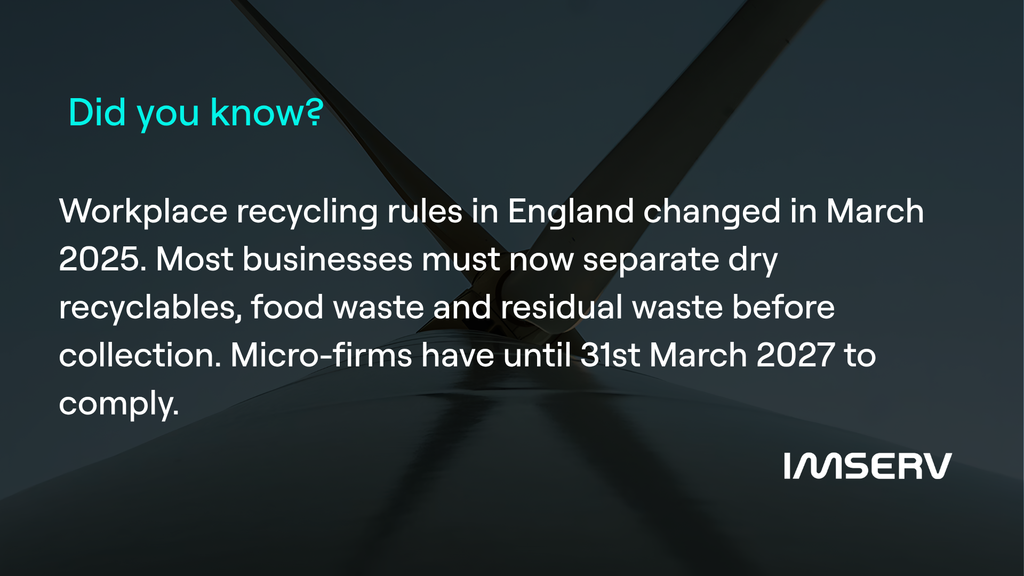
Effective recycling relies on clear recycling processes and employee awareness to reduce contamination and help businesses manage their waste responsibly.
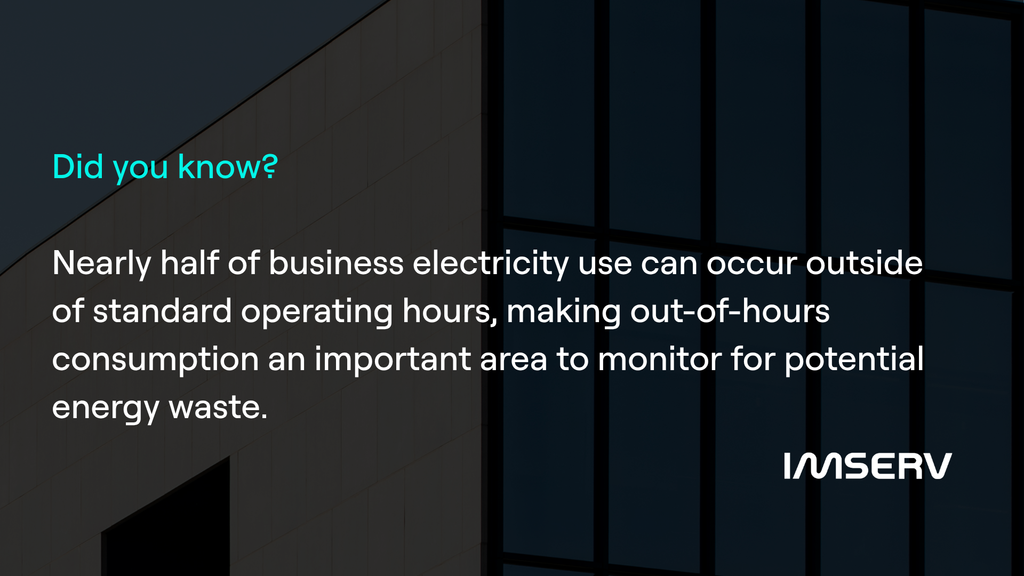
Energy that delivers no useful output is a cost to both the business and the environment. Better visibility of when and where energy is being used can help uncover avoidable consumption and enable businesses to target improvements.
Effective energy management gives organisations the evidence they need to reduce energy waste, improve operational efficiency and support ESG reporting. For multi-site businesses, energy data allows them to compare performance across locations, identify high-consumption assets and prioritise improvements where they will have the greatest impact.
Over-ordering doesn’t just take up valuable space. It can leave businesses paying for materials that ultimately go unused. Better visibility of stock and demand helps businesses make fuller use of what they already have.
An employee highlighted the amount of waste created by cable-tie offcuts during field work. That prompted a review of materials, with shorter alternatives being tested to reduce unnecessary material use at source.
Waste reduction works best when it becomes part of business culture. Employees are often closest to the processes where waste is created, so giving them the knowledge and opportunity to suggest improvements can uncover practical changes that might otherwise be missed.
Packaging is often designed before a product ever reaches your business, which means tackling it may require looking beyond your own bins. Working with suppliers to rethink packaging can prevent waste entering the business in the first place.
At IMSERV, old meter assets are returned and sent for recycling rather than being treated as general waste. This helps recover materials from equipment that has reached the end of its useful life and reduces the amount requiring disposal.
An item that is no longer needed in one place may still have plenty of useful life left. Repairing, redeploying or reusing products supports a more circular approach to resource management.
Individual improvements are valuable, but measurable targets turn them into a longer-term programme. Tracking progress against a clear baseline helps businesses understand what is working, maintain momentum and demonstrate tangible progress towards their sustainability goals.
Reducing waste is not just about what goes in the bin. It starts with smarter purchasing, better use of resources, stronger employee engagement and better data.
Businesses that understand where waste is created can cut costs, improve efficiency and reduce their environmental impact at the same time. This includes physical waste, but also energy waste caused by inefficient equipment, out-of-hours consumption or limited visibility of how, where and when energy is used.
The biggest gains often come from simple changes made consistently: measure what matters, prevent waste where possible, use reliable energy data to guide decisions and keep improving.
IMSERV supports organisations with the energy intelligence, metering insight and energy management services needed to improve visibility, reduce waste and support ESG progress.
Get in touch today to see how we can support your business’s ESG progression.
Reducing waste helps organisations lower costs, improve operational efficiency, reduce their environmental impact and strengthen their ESG performance. It can also help enhance stakeholder confidence and support long-term sustainability goals.
A waste audit is a review of the waste your organisation generates. It helps identify where resources are being lost, highlights opportunities for improvement and provides a baseline for setting measurable waste reduction targets.
Some of the quickest wins include:
Digital tools such as cloud storage, e-signatures and collaborative platforms can significantly reduce paper usage, printing costs and physical storage requirements while also improving efficiency and accessibility.
Yes. Workplace recycling regulations in England changed in March 2025, requiring most businesses to separate dry recyclables, food waste and residual waste before collection. Organisations should review their waste management practices to ensure compliance.
Energy waste is often overlooked but can have a significant financial and environmental impact. Monitoring energy consumption, identifying out-of-hours usage and investing in energy-efficient equipment can help businesses reduce unnecessary waste and lower costs. Energy management services can also help organisations turn energy data into practical actions that improve performance.
Energy data management is the process of collecting, organising, analysing and using energy consumption data to support better decisions. For businesses, it can help identify inefficient equipment, unusual consumption patterns, out-of-hours usage and opportunities to reduce costs and carbon emissions.
Better energy data can improve the accuracy and consistency of SECR reporting by giving organisations a clearer view of their energy consumption and related emissions. This can support Streamlined Energy and Carbon Reporting, year-on-year comparisons and evidence-based sustainability reporting.
Energy data can support ESOS compliance by helping organisations identify where energy is used, where it may be wasted and which improvements could deliver the greatest savings. Half-hourly data, sub-metering and energy analytics can make ESOS audits more accurate and action plans more useful.
Setting measurable waste reduction targets helps businesses track progress, demonstrate accountability and show tangible improvements in their environmental performance. Clear targets also help maintain momentum and encourage continuous improvement.
Effective waste reduction can:
Employees play a vital role by correctly segregating waste, reducing unnecessary printing, switching off unused equipment and supporting company sustainability initiatives. Small changes across a workforce can have a significant cumulative impact.
At IMSERV, sustainability is an important part of our ESG strategy. We continually look for ways to improve resource efficiency, reduce environmental impact and support a more sustainable future across our operations and services.
IMSERV also supports customers with energy intelligence, metering insight and energy management services that help improve visibility of consumption, reduce energy waste and support more confident ESG reporting.
To find out more about IMSERV’s ESG commitments, sustainability approaches and energy intelligence services, visit our website or follow IMSERV on LinkedIn.
Enjoyed this blog? Read more from the IMSERV team